
Discover one of Davao City’s most remarkable wildlife attractions, where visitors can encounter the magnificent Philippine eagle and learn about the efforts to protect one of the world’s rarest birds of prey. Set among the green surroundings of Malagos, the Philippine Eagle Center combines wildlife conservation, environmental education and a memorable experience for nature lovers of all ages.
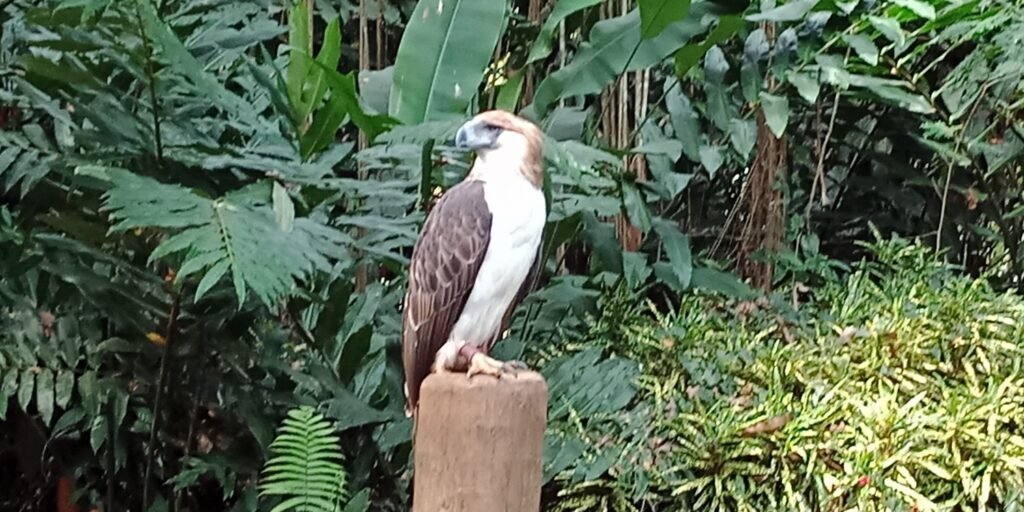
Discover the Philippine Eagle Center
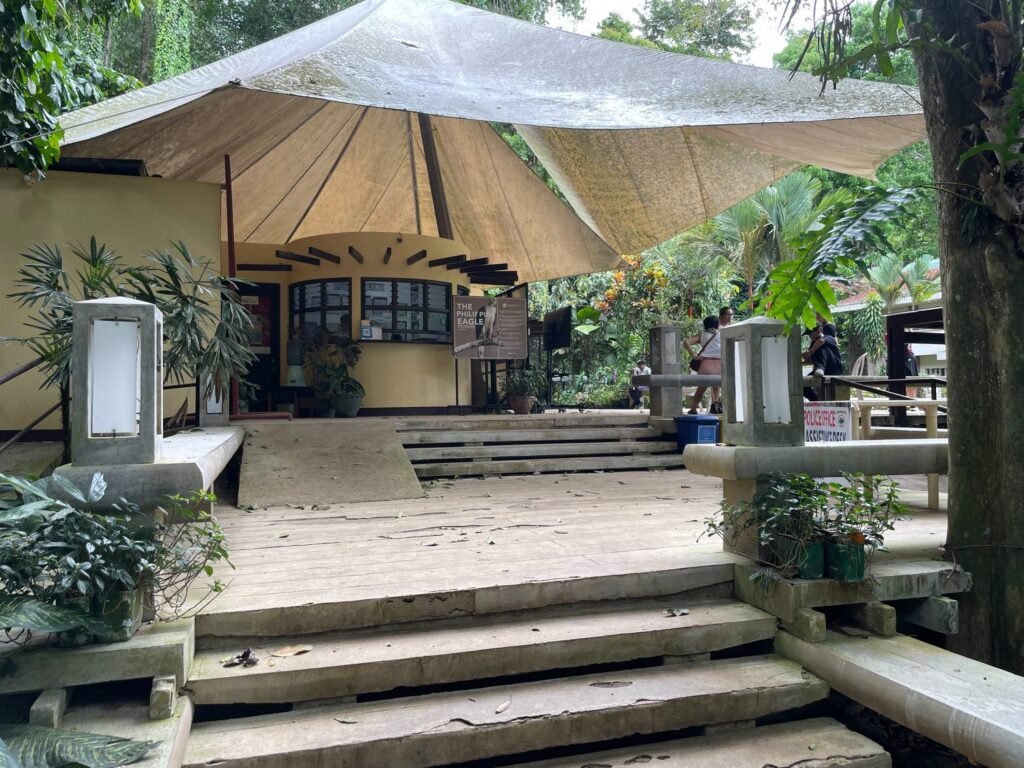
Located in Malagos, Baguio District, Davao City, the Philippine Eagle Center is one of the city’s most distinctive destinations. Surrounded by tropical greenery near the foothills of Mount Apo, the center offers visitors an opportunity to discover the Philippines’ national bird and understand why its survival matters.
Operated by the Philippine Eagle Foundation, the center is more than a tourist attraction. It is an important conservation and education facility dedicated to protecting the critically endangered Philippine eagle and the forests on which it depends.
Visitors can explore the grounds, observe wildlife and learn about the challenges facing some of the Philippines’ most remarkable native species.
Meet the Magnificent Philippine Eagle
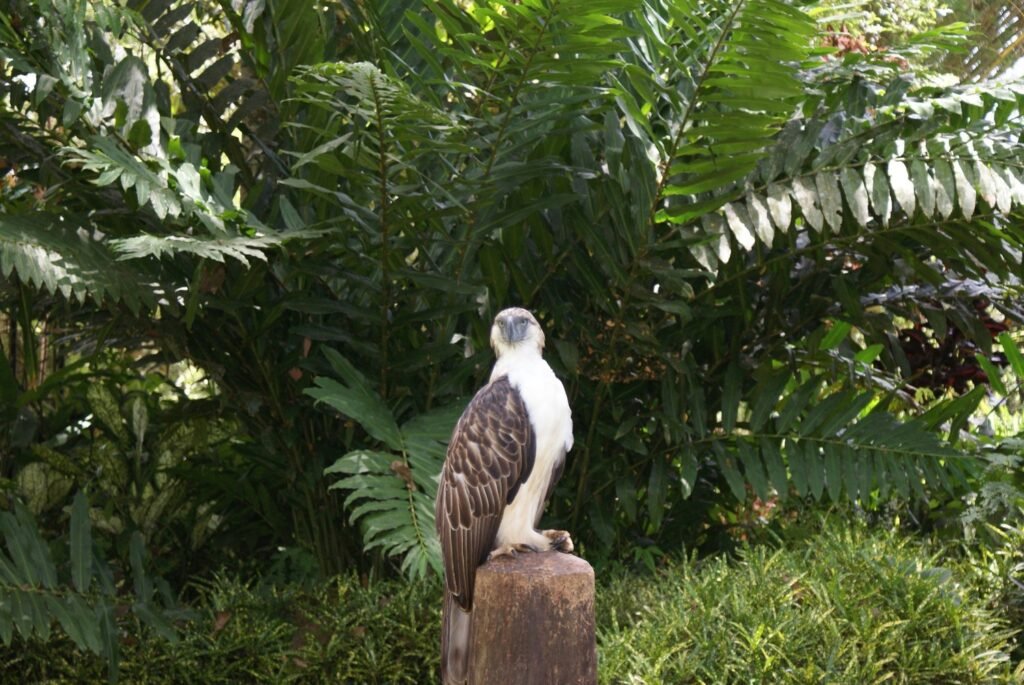
The Philippine eagle (Pithecophaga jefferyi) is among the largest and most powerful forest eagles in the world.
Its striking appearance makes it immediately recognizable. A prominent crest of long feathers surrounds its head, while its powerful beak, strong talons and impressive size reflect its position as a top predator in the forest ecosystem.
The Philippine eagle is found naturally only in the Philippines. It depends on extensive areas of healthy tropical forest, where it hunts and raises its young.
Unfortunately, habitat destruction and other threats have placed the species at serious risk of extinction.
Seeing a Philippine eagle at the center offers a rare opportunity to appreciate an extraordinary bird while learning about the importance of protecting its natural environment.
What to See and Do at the Philippine Eagle Center
Observe Philippine Eagles
For many visitors, the highlight is seeing the Philippine eagles themselves.
Designated viewing areas allow guests to observe these remarkable birds and appreciate their distinctive features. The experience is especially meaningful for visitors who have previously encountered the Philippine eagle only in photographs or documentaries.
Because the center is a working conservation facility, the animals’ welfare takes priority. Viewing opportunities and access to particular areas may vary.
Discover Other Native Wildlife
The Philippine Eagle Center also provides opportunities to learn about other birds of prey and native wildlife.
These animals help visitors understand the extraordinary biodiversity of the Philippines and the importance of protecting the habitats that support them.
Rather than focusing only on individual species, the center encourages visitors to appreciate the relationships between wildlife, forests and the wider environment.
Explore the Green Surroundings
The center’s forested setting is part of its appeal.
Walking through the grounds offers a welcome change from the busy streets of central Davao. Trees, tropical vegetation and natural surroundings create a peaceful atmosphere for exploring and learning.
Comfortable footwear is recommended, particularly after rainfall when some outdoor paths may be wet.
Learn About Wildlife Conservation
An important part of the experience is understanding the work being done to protect the Philippine eagle.
The Philippine Eagle Foundation conducts conservation breeding, research, habitat protection and environmental education. Its efforts extend beyond the center to the forests and communities where wild Philippine eagles survive.
Educational activities and guided experiences help explain why conservation requires both scientific expertise and public participation.
Why the Philippine Eagle Matters
The Philippine eagle is more than a national symbol. It plays an important role in the country’s forest ecosystems.
As a top predator, it forms part of the natural balance of the rainforest. Protecting the eagle also means protecting the extensive forest habitat it requires.
Those forests support countless other plants and animals while providing environmental benefits to surrounding communities.
The Philippine Eagle Foundation’s work therefore reaches beyond saving a single species. It also supports the protection of Philippine biodiversity for future generations.
One of the foundation’s historic achievements came in 1992, when Pag-asa became the first Philippine eagle successfully bred and hatched in captivity.
This milestone demonstrated the potential of carefully managed conservation breeding and brought international attention to efforts to save the species.
Where Is the Philippine Eagle Center?
The Philippine Eagle Center is located in Malagos, Baguio District, within Davao City.
Although it is part of the city, Malagos has a quieter, greener atmosphere than the central urban districts. Its upland surroundings make it an appealing destination for visitors interested in nature and countryside experiences.
The center is approximately 30–40 kilometres from central Davao, depending on the starting point and route.
Travellers should allow sufficient time for the journey, especially when arranging transport from downtown hotels.
How to Get to the Philippine Eagle Center
By Private Car or Taxi
Travelling by private vehicle or arranging a taxi is among the most convenient options, particularly for families or small groups.
The journey passes through different parts of Davao before reaching the greener surroundings of Malagos.
Visitors using a taxi should arrange the return journey in advance, as finding transport in the area may be less convenient than in the city center.
By Public Transport
Budget-conscious travellers can investigate public transport connections towards Calinan, followed by local transport to the Malagos area.
Routes and available services can change, so it is advisable to confirm the current journey and return options locally before departure.
With a Guided Tour
An organized tour can be a practical alternative for visitors who prefer transport arrangements to be handled for them.
Some Davao sightseeing itineraries combine the Philippine Eagle Center with other attractions in the surrounding area.
Opening Hours, Tickets and Visitor Information
The Philippine Eagle Center generally welcomes visitors throughout the week, but operating hours, admission fees and available activities may change.
Before travelling, check the Philippine Eagle Foundation’s official website for the latest visitor information.
Official website: https://www.philippineeaglefoundation.org/pec
Location: Malagos, Baguio District, Davao City
Visitor information and bookings: https://www.philippineeaglefoundation.org/book-online
Allow approximately one to two hours to explore the center, with additional time for transport and any guided activities.
Visitors interested in wildlife photography or environmental education may prefer a more leisurely visit.
Tips for Visiting the Philippine Eagle Center
A little preparation can make the experience more comfortable.
- Visit earlier in the day. Morning visits can be more comfortable in Davao’s tropical climate.
- Wear comfortable shoes. Outdoor paths may become slippery after rain.
- Bring drinking water. Staying hydrated is important when walking outdoors.
- Carry rain protection. Weather conditions can change, particularly during wetter periods.
- Respect the animals. Follow staff instructions, remain in designated visitor areas and avoid disturbing wildlife.
- Bring a camera. The center offers opportunities to photograph wildlife and natural surroundings, subject to its photography rules.
- Plan your return transport. Confirm your arrangements before leaving central Davao.
Families visiting with children may find the educational aspects particularly rewarding.
Explore More of the Malagos Area
A visit to the Philippine Eagle Center can also provide an opportunity to discover the countryside around Malagos.
The area is known for its greenery, agricultural landscapes and attractions that offer a different experience from central Davao City.
Depending on available time and opening arrangements, visitors may wish to combine their trip with other nearby destinations.
However, the Philippine Eagle Center deserves time of its own. Rushing through the grounds would mean missing much of the educational value of the visit.
Is the Philippine Eagle Center Worth Visiting?
For visitors interested in nature, wildlife or Philippine heritage, the Philippine Eagle Center is one of Davao City’s most meaningful attractions.
Its appeal goes beyond seeing a rare and impressive bird. The center provides insight into the challenges of wildlife conservation and the work required to protect species threatened with extinction.
It is particularly suitable for families, students, nature enthusiasts and travellers who appreciate destinations with educational and environmental significance.
The experience also highlights an important side of Davao: a city with access to remarkable natural surroundings and a long-standing role in Philippine wildlife conservation.
Plan More Adventures in Davao
The Philippine Eagle Center is just one of the many experiences awaiting visitors to Davao City.
Discover more attractions, outdoor activities and places worth exploring through our Things to Do in Davao and Places to Visit in Davao guides.
For information about transport, weather and other travel essentials, see Practical Davao.
- Photo Credits:
- Philippine Eagle at the Philippine Eagle Center: Roy Hector Kabanlit (RoyKabanlit) via Wikimedia Commons, licensed under CC BY-SA 4.0. Resized by Davao.PH. Source: https://commons.wikimedia.org/wiki/File.jpg · Licence: https://creativecommons.org/licenses/by-sa/4.0/
- Visitor Center of the Philippine Eagle Center: JuneAugust via Wikimedia Commons, licensed under CC BY 4.0. Resized by Davao.PH. Source: https://commons.wikimedia.org/wiki/File.jpg · Licence: https://creativecommons.org/licenses/by/4.0/
- Philippine Eagle in Captivity: scorpious18 via Wikimedia Commons (originally Flickr), licensed under CC BY 2.0. Resized by Davao.PH. Source: https://commons.wikimedia.org/wiki/File.jpg · Licence: https://creativecommons.org/licenses/by/2.0/


