
Planning a visit to Davao? A little practical information can make your stay easier, whether you are arriving for the first time, travelling around the city or exploring nearby destinations. This guide covers transport, money, weather, communication, safety and other useful details to help you enjoy your time in Davao.
Getting to Davao
Davao City is one of the main gateways to Mindanao and can be reached by air, land and sea.
By Air
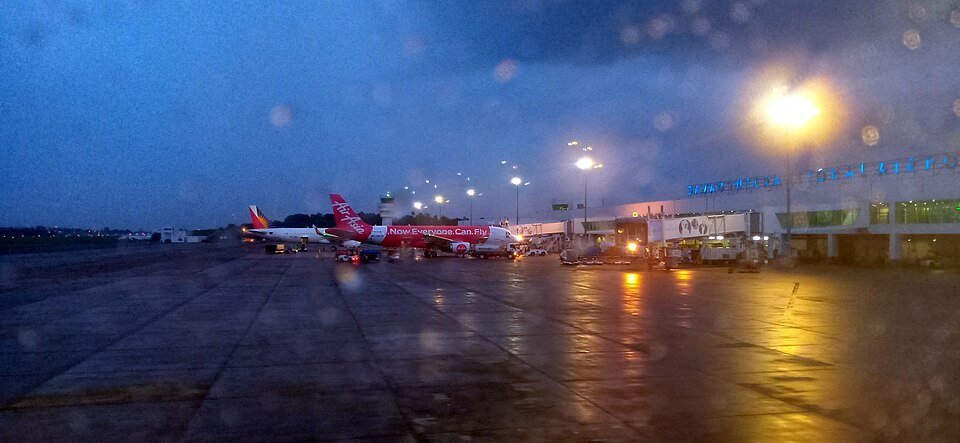
Francisco Bangoy International Airport, commonly known as Davao International Airport, serves the city and surrounding region.
The airport handles domestic flights connecting Davao with other Philippine destinations, along with international services when available.
It is located in the northern part of Davao City, making it relatively convenient for visitors staying in areas such as Lanang.
Travel times to other parts of the city depend on traffic and your destination.
Before travelling, check current flight schedules, baggage requirements and airport transport arrangements with your airline or transport provider.
By Land
Davao is connected to other parts of Mindanao through major road networks.
Intercity buses provide transport between Davao and destinations such as Tagum, Digos, General Santos, Cagayan de Oro and other towns and cities.
Journey times vary depending on the route, traffic, weather and road conditions.
For longer journeys, it is sensible to confirm the departure terminal, timetable and expected travel time before leaving.
By Sea
Sea transport connects parts of the Davao Region with nearby islands and coastal destinations.
Visitors travelling to Samal Island commonly use ferry or boat services from the Davao City side.
Routes, departure points and operating arrangements can change, so checking current information is important.
Getting Around Davao City
Davao is a large city, and choosing suitable transport can make sightseeing more convenient.
Taxis
Taxis are widely used for travelling around Davao City.
They can be particularly convenient for visitors carrying luggage, travelling with children or visiting places that are difficult to reach using public transport.
Use an authorised taxi and confirm that the meter is operating correctly.
For longer trips or destinations outside the usual urban area, clarify the fare arrangement before departure.
Ride-Hailing Services
App-based transport services may provide another convenient way to travel around the city.
Availability depends on the service, location and time of day.
Visitors planning to use transport apps should check which services are currently operating in Davao and whether their preferred payment method is accepted.
Jeepneys
Jeepneys are a familiar part of public transport in Davao.
They operate along established routes and are generally an affordable way to travel.
However, routes may be confusing for first-time visitors, particularly when travelling between unfamiliar districts.
If you are unsure which jeepney to take, ask a local resident, accommodation provider or transport worker for guidance.
Walking
Walking can be enjoyable in parks, shopping areas and certain central districts.
However, Davao covers a large geographical area, and many attractions are too far apart to reach comfortably on foot.
Tropical heat, rain and traffic conditions should also be considered.
For sightseeing, combining walking with public transport or taxis is often more practical than attempting to explore the entire city on foot.
Travelling to Samal Island
Samal Island is one of the most popular destinations near Davao City.
Visitors travel across the water using ferry or boat services, depending on their intended destination.
Some resorts may provide their own transport arrangements or recommend particular arrival points.
Before setting out, confirm the appropriate departure location, operating hours and onward transport arrangements.
If you are bringing a vehicle, check the requirements and availability of suitable ferry services.
Samal Island can be visited as a day trip, although staying overnight allows more time to enjoy its beaches and relaxed surroundings.
Money and Payments
The official currency of the Philippines is the Philippine peso (PHP).
Cash is useful for smaller purchases, local markets, food stalls and some transport services.
Hotels, shopping malls and larger restaurants may accept credit or debit cards, while electronic payment services are also widely used.
However, payment options vary between businesses.
ATMs and Cash Withdrawals
ATMs are available in shopping centres, commercial districts and other parts of Davao City.
International cards may be accepted at participating machines, although withdrawal fees and transaction limits can apply.
It is useful to carry some smaller peso notes for everyday expenses.
When withdrawing cash, choose a well-maintained ATM in a suitable location and take normal precautions to protect your card and PIN.
Mobile Phones and Internet
Mobile communication is widely available in Davao City.
Major Philippine mobile networks include Globe and Smart.
Visitors can obtain local SIM cards or use compatible eSIM services, depending on their phone and provider.
Philippine SIM registration requirements apply, and visitors should check the identification requirements before purchasing a local SIM.
Wi-Fi is available in many hotels, cafés, shopping centres and other establishments.
Connection quality varies, particularly outside central urban areas.
Visitors who rely on internet access for work, navigation or communication may prefer to arrange mobile data rather than depending entirely on public Wi-Fi.
Weather and the Best Time to Visit
Davao has a tropical climate, with warm temperatures throughout the year.
Rainfall can occur in any month, and visitors should be prepared for occasional heavy showers.
Davao is located in the southern Philippines, outside the country’s main typhoon belt, although it can still experience severe weather and the effects of regional weather systems.
For outdoor activities, lightweight clothing, sun protection and drinking water are useful.
A compact umbrella or light rain jacket can also be helpful.
Visitors planning mountain excursions, boat trips or beach activities should check local weather forecasts before travelling.
Health and Personal Safety
Davao is a major Philippine city with busy commercial areas, residential neighbourhoods and popular visitor destinations.
As with any large city, sensible precautions can help make your visit more comfortable.
Keep valuables secure, remain aware of your surroundings and use reliable transport services.
Avoid leaving personal belongings unattended in public places.
Drinking Water
Visitors who are uncertain about local water quality may prefer sealed bottled water or properly filtered drinking water.
Hotels and restaurants can often advise about the drinking water they provide.
Staying hydrated is especially important during hot weather or outdoor activities.
Food Safety
Davao has many enjoyable food options, from restaurants to street-food stalls.
Choose establishments that handle and store food properly, particularly when buying seafood or other perishable products.
Visitors with food allergies should explain their requirements clearly before ordering.
Medical Assistance
Hospitals, clinics and pharmacies are available in Davao City.
Visitors who require regular medication should bring an adequate supply, together with relevant prescriptions or medical documentation where appropriate.
Travel insurance that covers medical treatment and other unexpected expenses is worth considering.
For emergencies in the Philippines, the national emergency hotline is 911.
Language and Communication
Cebuano, often called Bisaya, is widely spoken in Davao City.
Filipino and English are also commonly used, particularly in schools, businesses, hotels and visitor-oriented establishments.
Many visitors can communicate comfortably in English when asking for directions, ordering food or arranging accommodation.
Learning a few local expressions can make everyday interactions more enjoyable.
Some useful Cebuano expressions include:
- Maayong buntag – Good morning
- Maayong hapon – Good afternoon
- Salamat – Thank you
- Palihog – Please
- Pila ni? – How much is this?
People may use different languages depending on their background and the situation.
Local Customs and Everyday Etiquette
Davao is home to people from different cultural, linguistic and religious backgrounds.
Visitors will generally find that courtesy, patience and respect are appreciated.
When visiting churches or other religious places, dress appropriately and respect worshippers.
Ask permission before photographing people, especially in private or culturally sensitive settings.
Respect local rules in parks, attractions and public spaces.
Davao City has regulations concerning matters such as smoking and other public activities. Visitors should pay attention to posted signs and current local ordinances.
Shopping and Everyday Essentials
Davao has modern shopping malls, supermarkets, pharmacies, convenience stores and traditional markets.
Shopping centres such as Abreeza Mall, SM Lanang Premier and SM City Davao offer a variety of shops, restaurants and services.
Smaller neighbourhood stores are convenient for everyday purchases.
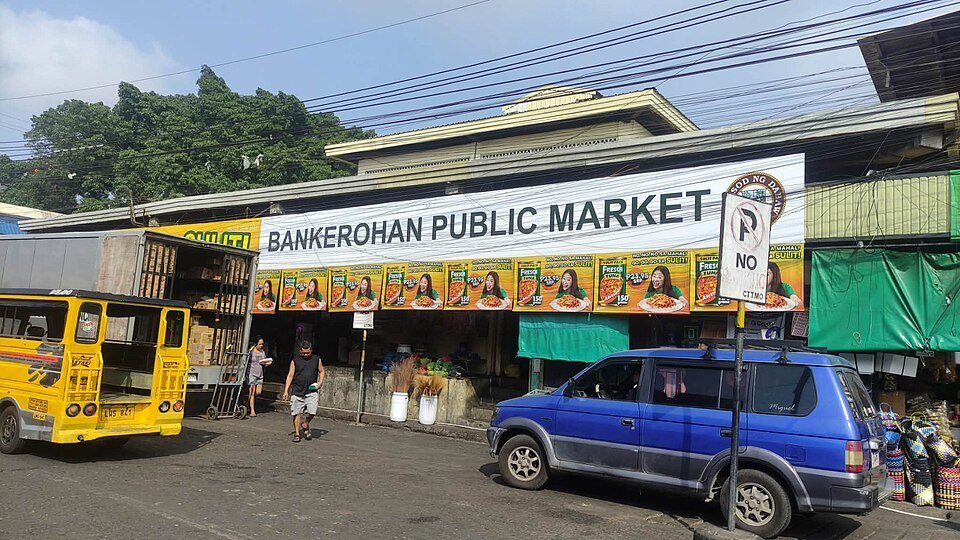
Traditional markets are useful for fresh produce, local products and regional specialities.
Opening hours vary, so check current arrangements if you need a particular shop or service.
Electricity and Plug Types
The Philippines generally uses electricity supplied at 220 volts and 60 hertz.
Common plug types include Type A and Type B, although other socket configurations may also be encountered.
Visitors should check that their electrical devices support the local voltage and bring a suitable plug adapter when necessary.
Most modern phone and laptop chargers support a range of voltages, but checking the label before connecting a device is advisable.
Planning Day Trips and Excursions
Davao provides access to coastal destinations, mountain scenery, wildlife attractions and other places of interest.
However, distances and travel times can vary considerably.
A destination that appears close on a map may require a longer journey because of traffic, road conditions or transport connections.
For excursions outside the central city, consider arranging transport in advance.
Visitors planning activities such as mountain trekking, island excursions or wildlife visits should confirm access arrangements, operating schedules and any required permits.
Our Things to Do in Davao and Places to Visit in Davao guides offer ideas for exploring the city and surrounding destinations.
Useful Tips for Your Stay
A few simple preparations can make visiting Davao easier.
Plan around travel times. Allow sufficient time when moving between different parts of the city.
Keep some cash available. Smaller businesses and local transport services may not accept cards.
Check the weather. Outdoor activities can be affected by heavy rain.
Save important information. Keep your accommodation address, emergency contacts and travel documents accessible.
Stay connected. Mobile data can help with navigation, communication and transport arrangements.
Allow flexibility. Leave room in your schedule for unexpected discoveries and changes in weather or transport.
With practical preparations in place, visitors can enjoy Davao’s combination of urban convenience, cultural experiences, nature and coastal attractions.
- Photo Credits:
- Davao International Airport at Dusk: Roy Hector Kabanlit via Wikimedia Commons, licensed under CC BY-SA 4.0. Resized by Davao.PH. Source: https://commons.wikimedia.org/wiki/File:Davao_Airport_Tarmac_at_Dusk_-_Sep_2018.jpg · Licence: https://creativecommons.org/licenses/by-sa/4.0/
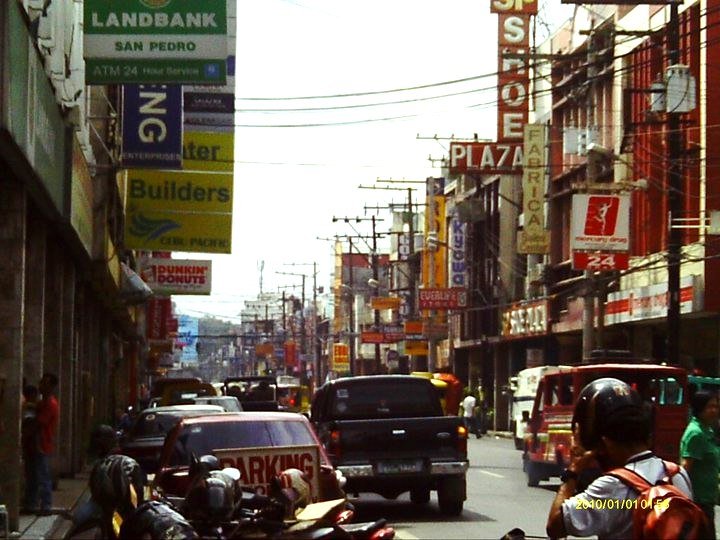
- San Pedro Street, Davao City: WorldTravleerAndPhotoTaker via Wikimedia Commons, licensed under CC BY-SA 4.0. Brightened and enhanced by Davao.PH. Source: https://commons.wikimedia.org/wiki/File:San_Pedro_Street,_Davao_City.jpg · Licence: https://creativecommons.org/licenses/by-sa/4.0/
- Bankerohan Public Market: PAULIX04 via Wikimedia Commons, licensed under CC BY-SA 4.0. Resized by Davao.PH. Source: https://commons.wikimedia.org/wiki/File:Bankerohan_Public_Market.jpg · Licence: https://creativecommons.org/licenses/by-sa/4.0/


